Civic Reform
LA Charter Reform: Why It Deserves Support
Why these governance recommendations deserve our support.
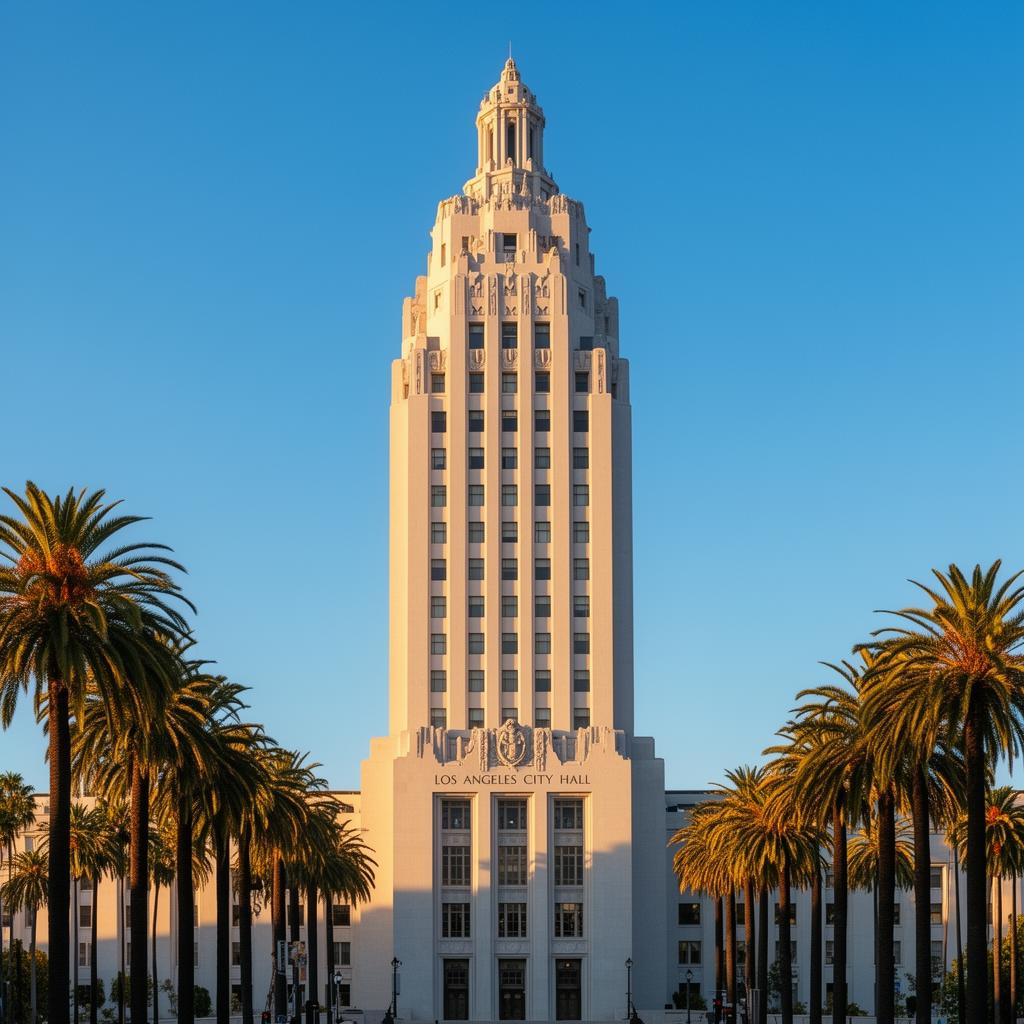
On Thursday, the 13-member Charter Reform Commission released its 301-page report detailing proposals to modernize Los Angeles governance. As someone who serves on the City Planning Commission and has spent years navigating the complexities of LA’s civic infrastructure, I believe these recommendations represent the most meaningful opportunity for structural reform our city has seen in decades.
The commission was established by Mayor Karen Bass and the City Council in 2025 in the wake of federal bribery cases, corrupt land-use decisions driven by money, and the racially charged leaked audio scandal that exposed elected officials scheming to abuse the redistricting process. These weren’t isolated incidents — they were symptoms of a governance structure that has failed to keep pace with the needs of a city of four million people.
Expanding the City Council: Long Overdue
The commission’s headline recommendation — expanding the City Council from 15 to 25 members — is perhaps the most consequential. Right now, each council member represents roughly 260,000 residents. That’s more than many members of Congress. Reducing district sizes to approximately 155,000 residents would bring representatives closer to the communities they serve, improve accountability, and make it harder for any single council member to accumulate the kind of unchecked influence that has led to corruption.
This isn’t a radical idea. It’s a return to the principle that local government should actually be local. The public agrees: 71% of the more than 14,000 survey respondents supported council expansion.
Fiscal Responsibility Through Structural Change
Transforming the Chief Administrative Officer position into a Chief Financial Officer — with centralized authority over long-term strategic financial health — is exactly the kind of reform that doesn’t make headlines but makes government work. Paired with the recommendation for a two-year budget cycle and a long-term capital improvement plan, this would bring LA’s financial planning in line with best practices used by major institutions and corporations worldwide.
As someone in institutional real estate, I can tell you that no serious organization operates on a year-to-year budget without a long-term capital plan. The fact that the fourth-largest city in America has been doing so is, frankly, indefensible.
Ethics Reforms and Accountability
The commission’s call for robust ethics reforms — including giving the Ethics Commission authority to hire outside general counsel and staff attorneys — addresses a critical gap. An ethics body without independent legal resources is an ethics body without teeth. These changes would help restore the public trust that has been so badly damaged by recent scandals.
Strengthening Neighborhoods and Expanding Access
I’m particularly encouraged by the recommendations to empower the neighborhood council system and reduce barriers to running for office. Neighborhood councils are the closest thing Los Angeles has to grassroots democratic infrastructure, yet they’ve been chronically under-resourced and undervalued. Giving them real authority would create more pathways for community voices to shape policy.
The proposals to lower the voting age to 16 and adopt ranked-choice voting are forward-thinking measures that would broaden civic participation — something LA desperately needs in an era of declining voter turnout.
Parks, Infrastructure, and Quality of Life
Doubling parks funding and allocating a minimum 2% of general fund dollars to the Department of Public Works for streets, sidewalks, and bridges may sound like budget line items, but they’re quality-of-life commitments. These are the investments that determine whether neighborhoods thrive or deteriorate, whether families stay in the city or leave for the suburbs.
The Path Forward
City Council members are expected to decide by June which recommendations to place on the November ballot. This is the critical window. The commission has done its work — months of public outreach, expert consultation, and intensive deliberation distilled into actionable proposals backed by broad public support.
Now it’s up to the Council to show the same courage. These reforms won’t solve every problem facing Los Angeles, but they represent a genuine structural foundation for better governance. As Commission Chair Raymond Meza said: “This report reflects a consensus on the strategic changes imperative for effective governance and public trust.”
I couldn’t agree more. Let’s get these measures on the ballot and let the voters decide.