Land Use
How AB 2097 & the Density Bonus Are Reshaping LA
How AB 2097 and California's density bonus law are changing what gets built across Los Angeles.
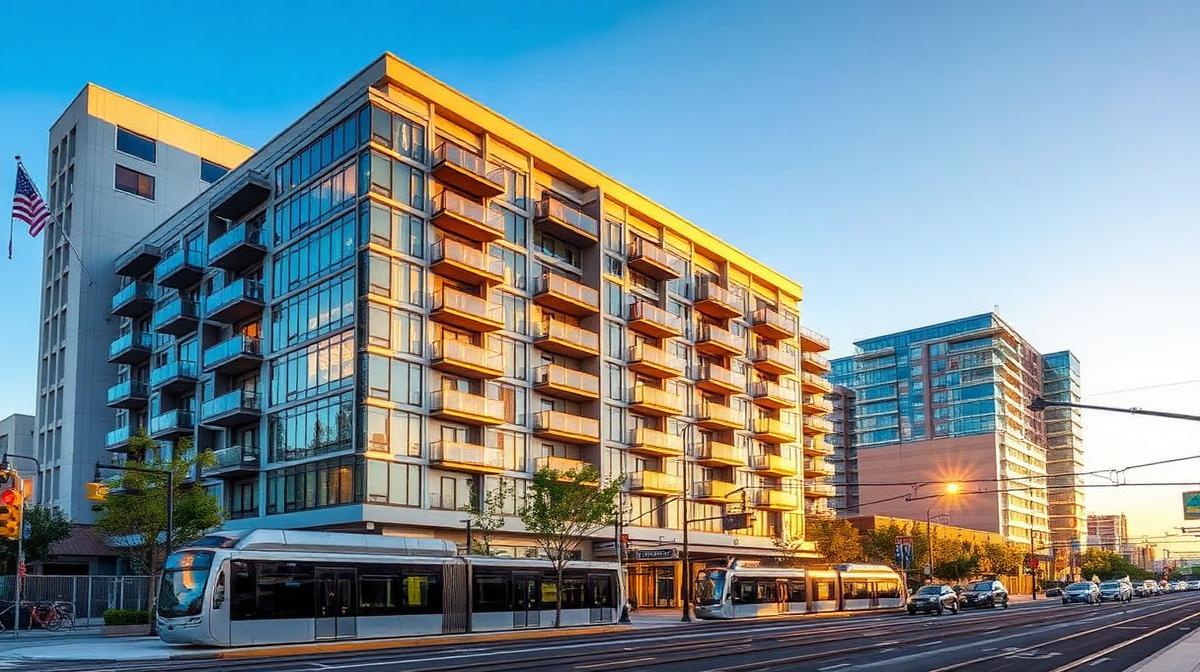
As a City Planning Commissioner with decades in the real estate trenches, I've witnessed countless shifts in how Los Angeles grows and evolves. But few legislative changes have held as much transformative power as the confluence of California's AB 2097 and our long-standing Density Bonus Law. These aren't just abstract legal concepts; they are actively — and profoundly — reshaping our urban fabric, particularly along our crucial transit corridors. My aim today is to unpack these legislative tools, explain their symbiotic relationship, and illustrate the tangible impact they're having on Los Angeles's housing future.
AB 2097: Eliminating the Parking Mandate Near Transit
For decades, minimum parking requirements have been one of the most significant, yet often overlooked, impediments to housing development in Los Angeles. These mandates, baked into our zoning code, dictated how many parking spaces a developer had to build for every unit of housing, regardless of whether those spaces were actually needed.
Consider a modest apartment building near a Metro station. Under old rules, a developer might be required to build 1.5 to 2 parking spaces per unit. Each underground parking space can cost anywhere from $50,000 to $100,000 to construct. For a 50-unit building, that's potentially an additional $5 million or more in costs, often passed directly onto renters. This effectively priced out affordable housing in many transit-accessible areas.
AB 2097, signed into law by Governor Newsom in September 2022 and effective January 1, 2023, changed the game. The law prohibits public agencies from imposing or enforcing minimum automobile parking requirements on most residential, commercial, or other development projects located within a half-mile of a major transit stop. This includes stops served by bus rapid transit, light rail, heavy rail, commuter rail, and ferry terminals.
This doesn't mean developers can't build parking; it simply means they're no longer forced to. The market, rather than outdated regulations, now dictates parking provision. The result? Lower construction costs, smaller building footprints, more efficient use of land, and ultimately, greater feasibility for housing — especially affordable housing — in the neighborhoods best served by public transit.
The Density Bonus Law: More Units for More Affordability
While AB 2097 addresses the cost side of development, the Density Bonus Law (Government Code Section 65915) tackles the supply side. This state law, which has been in place and refined over many years, offers developers a powerful incentive: build more affordable units, and we'll let you build more units overall.
Here's the basic mechanism: If a developer agrees to set aside a percentage of their units as affordable housing — typically for very low-income, low-income, or moderate-income households — they receive a "density bonus," meaning they can build more units than the base zoning would normally allow.
The bonuses can be substantial:
- Setting aside 5% of units for very low-income households can yield a 20% density bonus.
- Setting aside 10% for low-income households yields a 20% bonus.
- At the maximum end, a project can receive up to a 50% density bonus by providing a higher percentage of affordable units or targeting deeper affordability levels.
Beyond the additional units, the Density Bonus Law also provides "concessions" or "incentives" — essentially, waivers or modifications to local development standards. This can include reductions in setback requirements, height limits, or open space mandates. These concessions are critical because they allow the additional units to physically fit on the site.
The Synergy: Where AB 2097 Meets Density Bonus
The true power of these tools is realized when they work in concert. Imagine a developer proposing a mixed-use project on a commercial corridor within a half-mile of a Metro station. Here's how the combination plays out:
- AB 2097 eliminates the need for costly parking structures, freeing up significant ground-floor and below-grade space.
- Density Bonus allows the developer to add, say, 35-50% more units than base zoning permits, in exchange for including affordable units.
- Concessions from the Density Bonus allow for adjustments to height or setbacks, making the larger project physically feasible.
The net effect is a project that delivers significantly more housing — including dedicated affordable units — at a lower per-unit cost, in a location where residents have direct access to public transit. This is urban planning at its most efficient and equitable.
Real-World Impact in Los Angeles
We are already seeing this synergy play out across Los Angeles. Along Metro's expanding rail network — the Purple Line Extension into the Westside, the Regional Connector linking downtown lines, and the K Line serving Inglewood and beyond — developers are proposing projects that leverage both AB 2097 and density bonuses.
Surface parking lots that once dominated commercial corridors are being reimagined as mixed-use developments with ground-floor retail and hundreds of housing units above. Projects that would have been financially unfeasible with mandatory parking structures are now penciling out, bringing both market-rate and affordable units to neighborhoods that desperately need them.
These aren't just numbers on a spreadsheet. They represent real homes for working families, seniors, and young professionals who want to live near their jobs and daily needs without relying on a car.
The Planning Commission's Role
As a Planning Commissioner, I see many of these projects come before us for review and approval. Our role is to ensure that these developments — while taking advantage of state-mandated entitlements — are thoughtfully designed and responsive to their neighborhood context. We evaluate design quality, environmental impacts, community input, and compliance with both state law and local planning objectives.
The Density Bonus Law is, by design, a by-right entitlement — meaning qualifying projects generally must be approved if they meet the statutory requirements. However, the Commission still plays a vital role in shaping outcomes through design review, conditions of approval, and ensuring developments contribute positively to the public realm.
Looking Ahead
AB 2097 and the Density Bonus Law represent a fundamental shift in how we plan and build in Los Angeles. They acknowledge a simple truth: our city's housing crisis demands bold, practical solutions, and our transit infrastructure is a critical asset we must leverage.
As we continue to expand our Metro system and refine our planning tools, these legislative frameworks will only grow in importance. The projects being approved and built today are laying the groundwork for a more connected, affordable, and sustainable Los Angeles — and that is something every Angeleno should be excited about.